Fumes, mist and smoke in the workplace
Across a wide range of processes in industries such as manufacturing, hospitality and healthcare, welding fumes, oil mist, odours and grease vapours are released. These emissions consist of a mixture of fine liquid droplets (aerosols), solid particles and gaseous components.
Once released, they can spread through the indoor air, leading to health issues, equipment contamination and increased maintenance costs. Euromate provides professional air filtration solutions that reduce the concentration in indoor air and contribute to a healthy working environment.
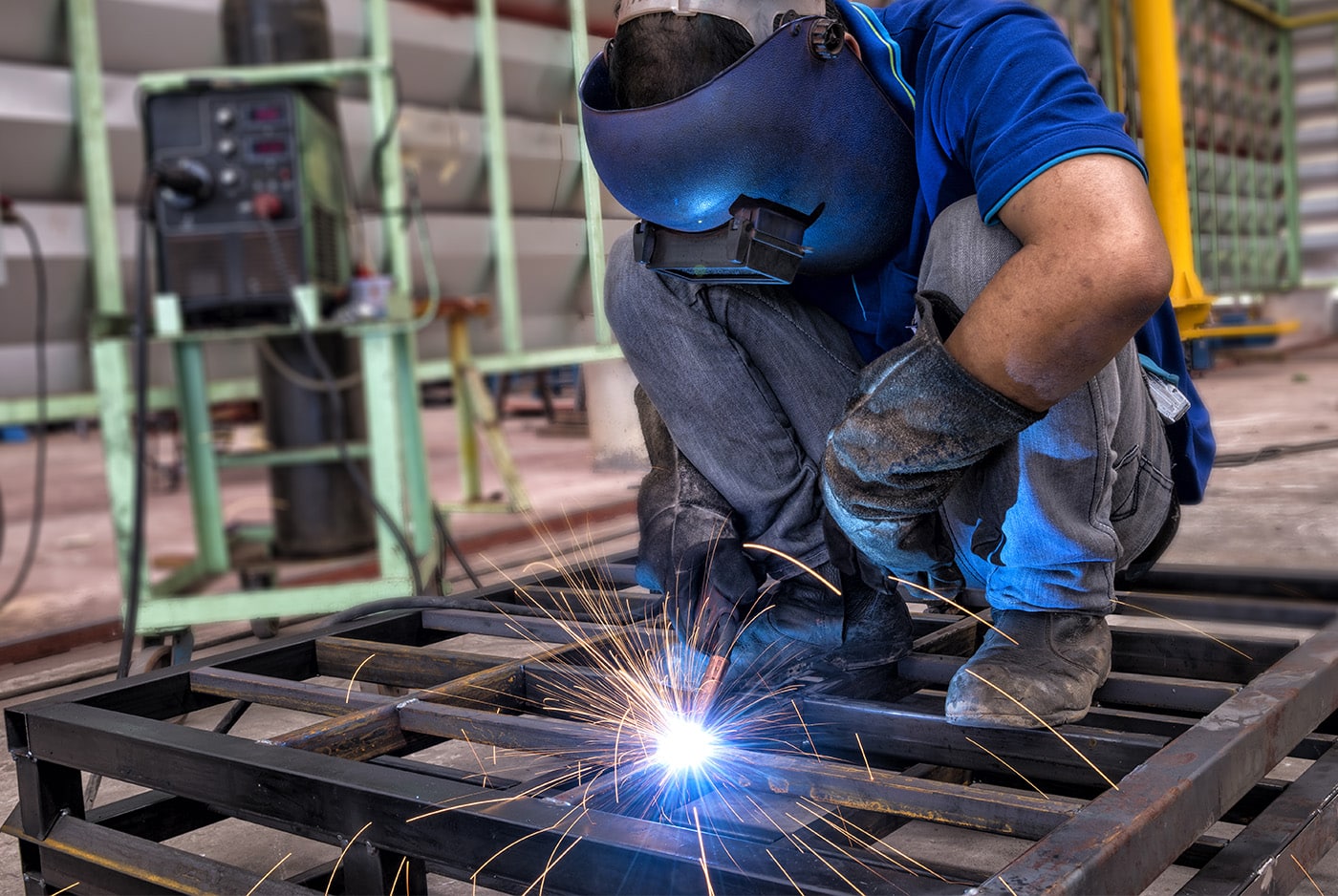
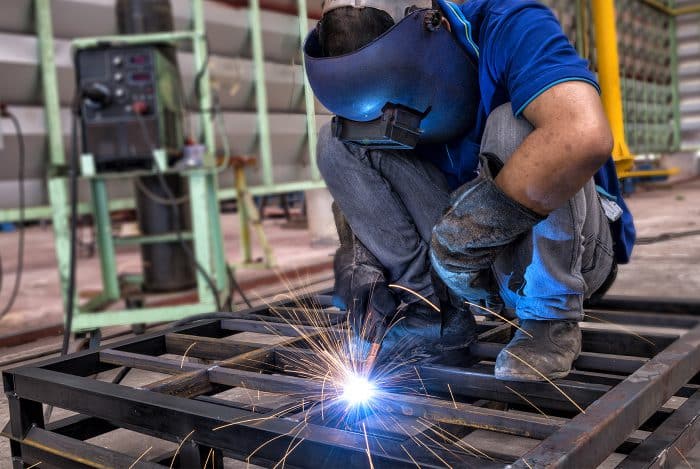
Welding fumes: risks from fine particles and gases
Welding produces fumes consisting of a mixture of fine particulate matter, gases and vapours generated at high temperatures. These particles are often so small that they can penetrate deep into the lungs, which is associated with various health risks.
In the Netherlands, the occupational exposure limit for welding fumes is 1 mg/m³ as an 8-hour time-weighted average. Local exhaust ventilation at the source has the highest priority to control exposure. Additional air cleaning can be applied to reduce the background concentration of welding fumes in the workspace.
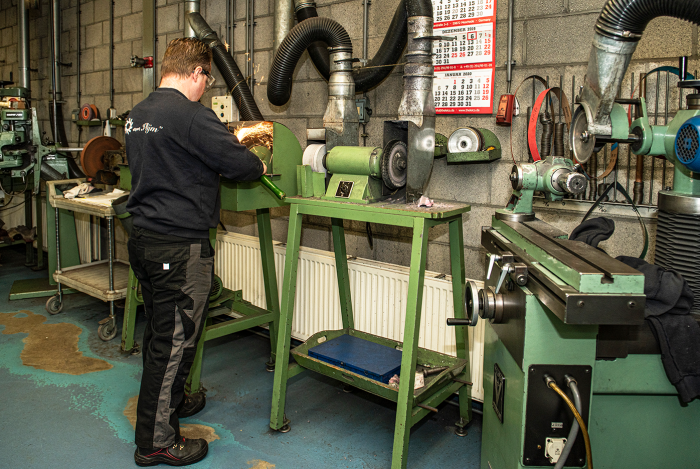
Oil mist: contamination affecting people and machinery
Machining processes and equipment maintenance generate fine aerosols of cooling and lubricating fluids. Oil mist can spread throughout the workshop, leading to respiratory and skin complaints, contamination of equipment and increased maintenance costs.
In the Netherlands, the occupational exposure limit for mineral oil mist is 5 mg/m³ (8-hour TWA, inhalable fraction). Employers are required to control exposure in accordance with the hierarchy of control measures.
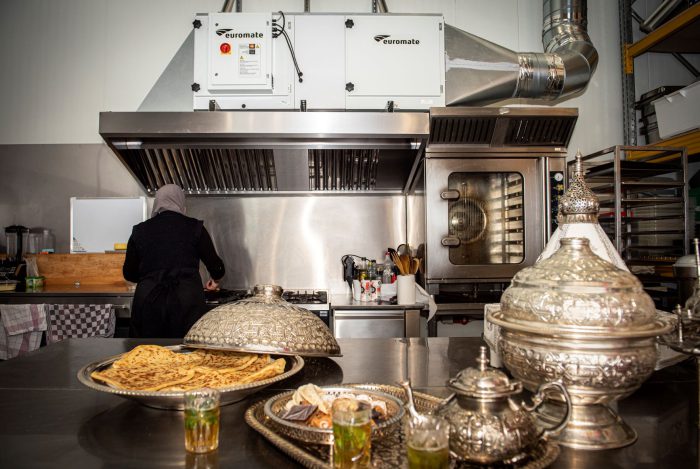
Cooking fumes and grease: contamination and fire risk
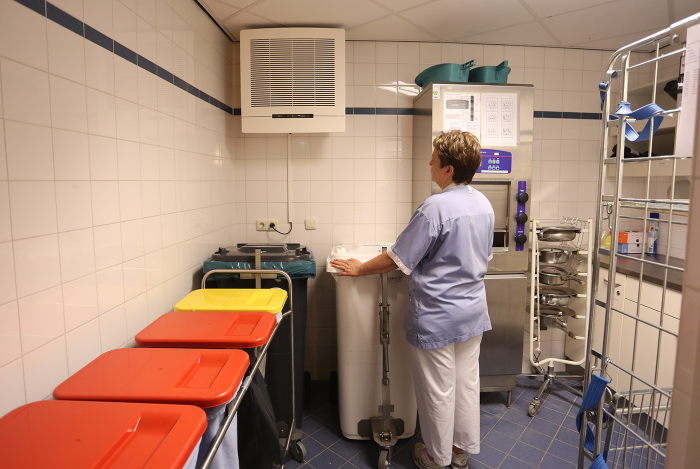
Odours: nuisance without a visible source
Odour nuisance is often caused by volatile organic compounds (VOCs) or other odour-carrying components in the air. Even when concentrations remain below health-based exposure limits, odours can still be perceived as disturbing.
Professional air filtration removes odour components through adsorption of gaseous substances and filtration of particle-bound odour carriers.
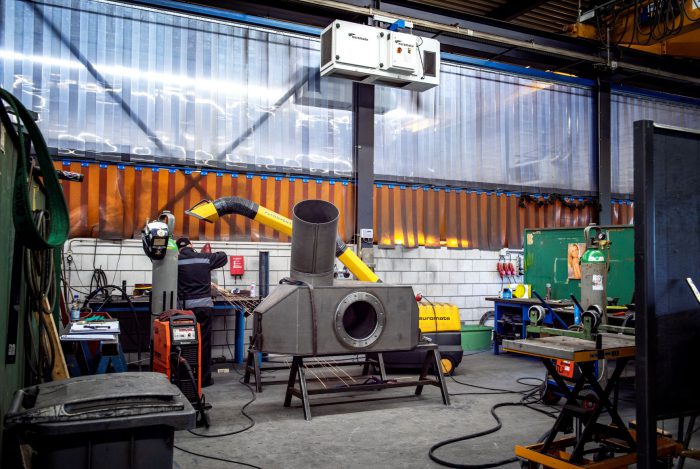
How we solve it
Effective control of fumes and mist starts with source measures and ventilation. In practice, however, a residual concentration often remains in the space.
Our professional air cleaners act as a supplementary measure, continuously filtering the indoor air. This reduces background concentrations and creates a more stable and cleaner working environment.
How we solve it: Fume Free Solutions professional air cleaners
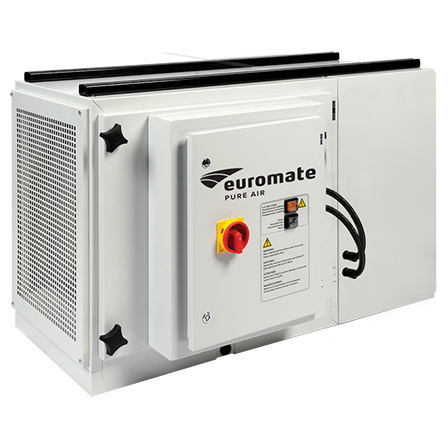
HF Series industrial air cleaners
- Filters up to 90% of the contamination
- Suitable for industrial environments
- Customized solution for different pollution sources
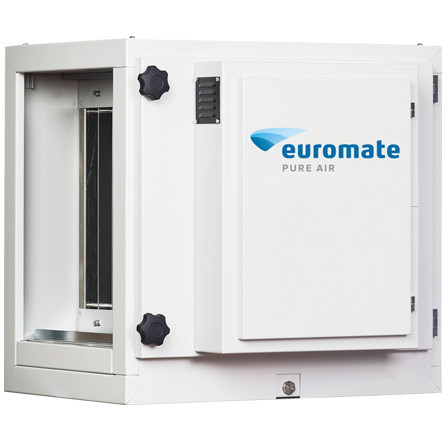
SF Series Kitchen Air Filtration
- Filters more than 90% grease and soot particles from the air
- Ensures less risk of fire
- Total solution for every kitchen air problem
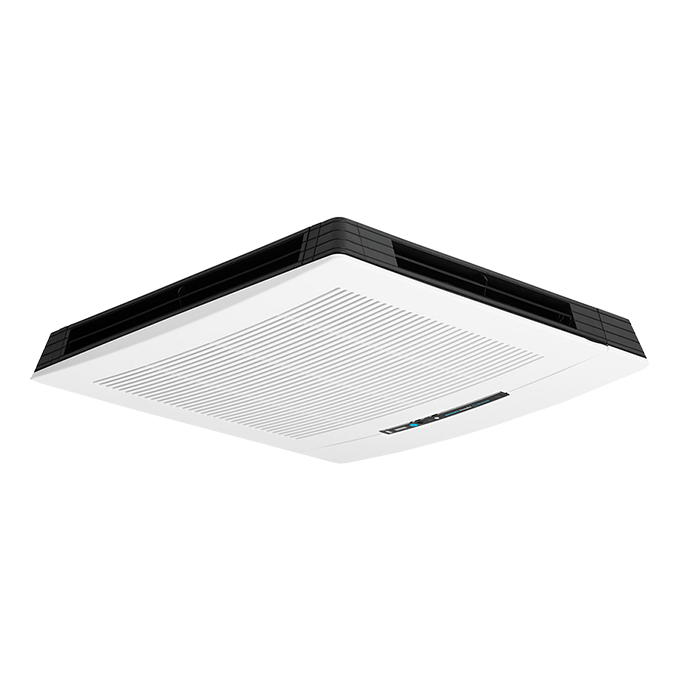
VisionAir Blue Line
- Wide range of applications thanks to unique filter combinations
- SGS certified and therefore proven effective
- Has a positive effect on productivity and absenteeism
How we help customers improve indoor air quality


Erasmus


Mlouza Catering


Ricoh
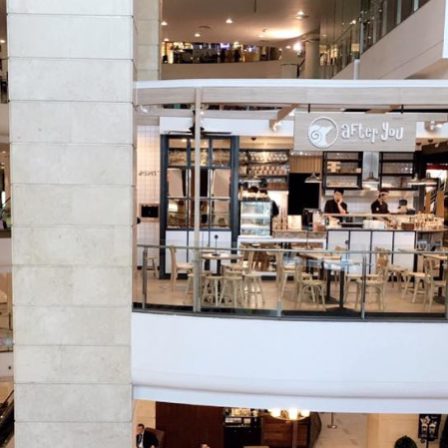

After You Dessert Café
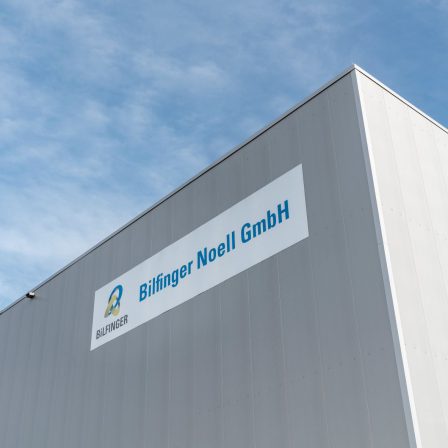

Bilfinger Noell GmbH


Diapriva, Dialysis Centre
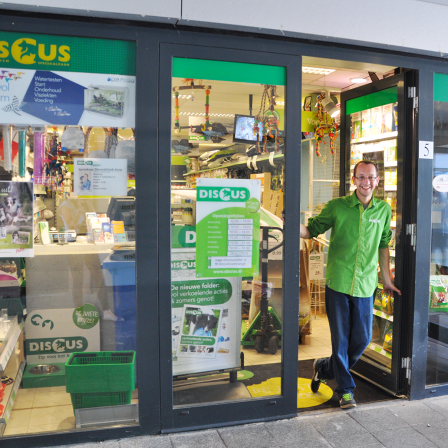

Discus Vedder
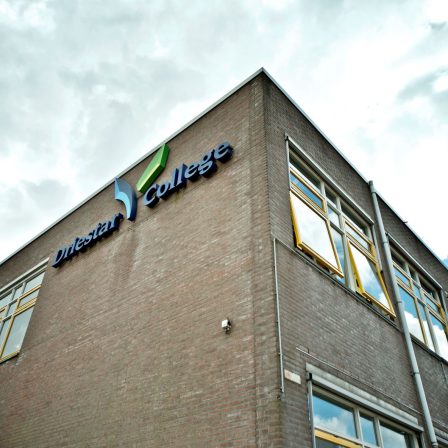

Driestar College
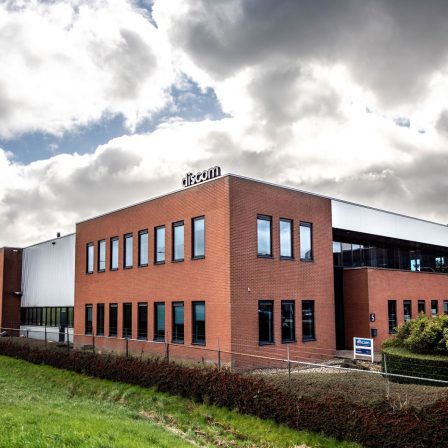

Discom BV


El Gaucho Argentinian Steakhouse Bangkok
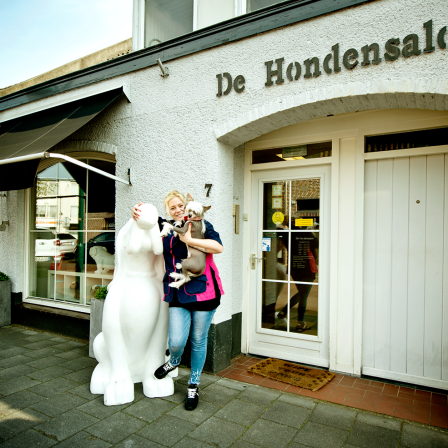
Hondensalon
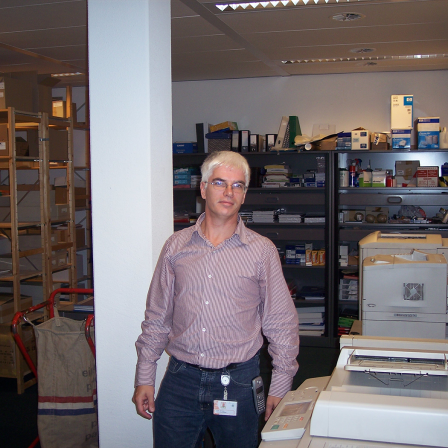

Housing Corporation Woonstede
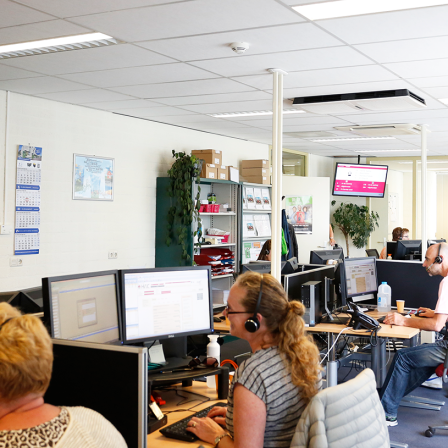

HVC Waste Collection

HVO Querido
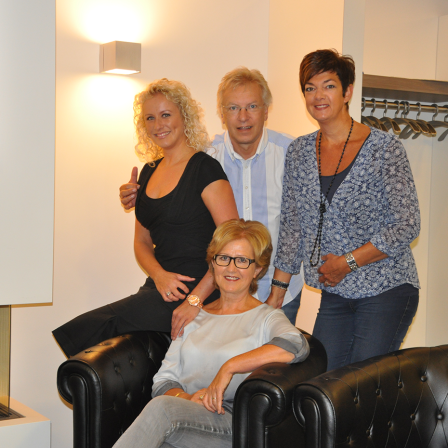

Izerloo Hair Fasion

Kaffeemanum
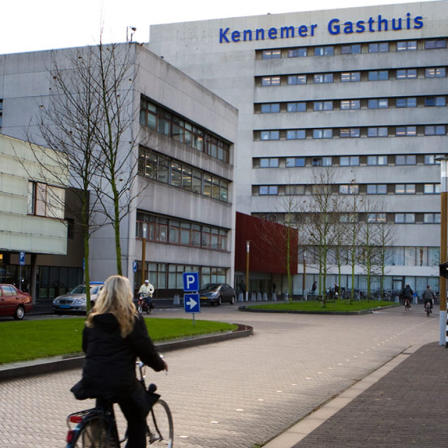
Kennemer Gasthuis
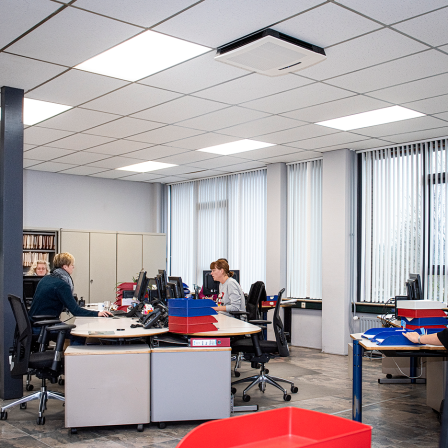
Kerger
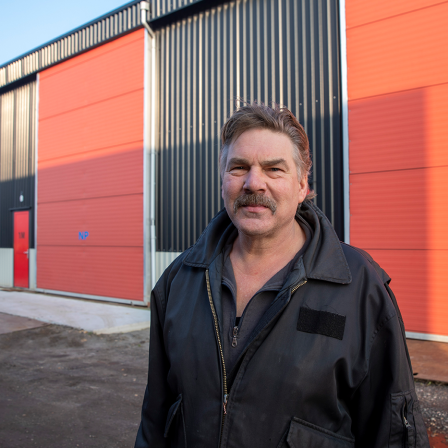

Kifinesta
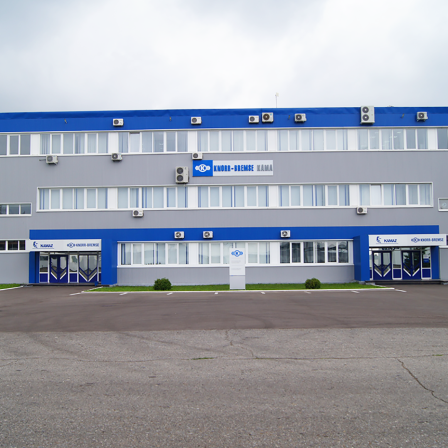
Knorr-Bremse
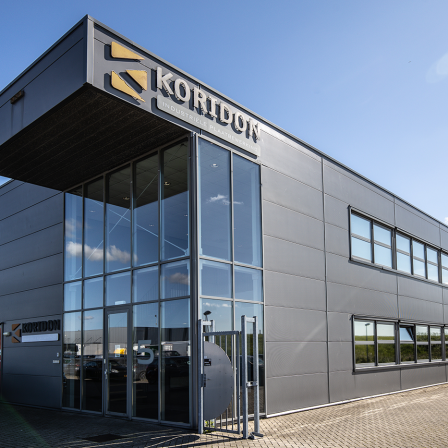

Koridon Industrial Sheet Metal Processing
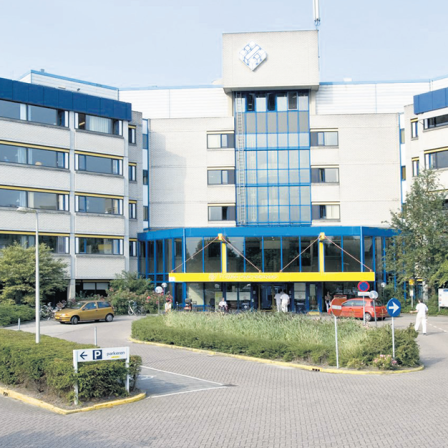

LangeLand Hospital
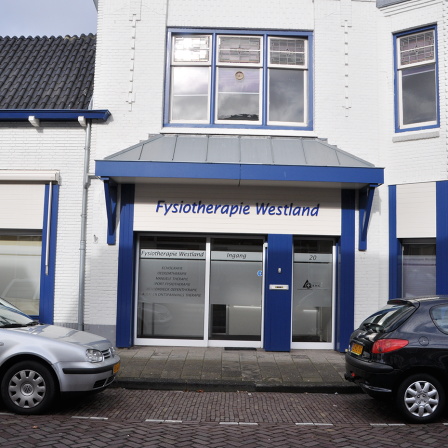
Physiotherapy Westland
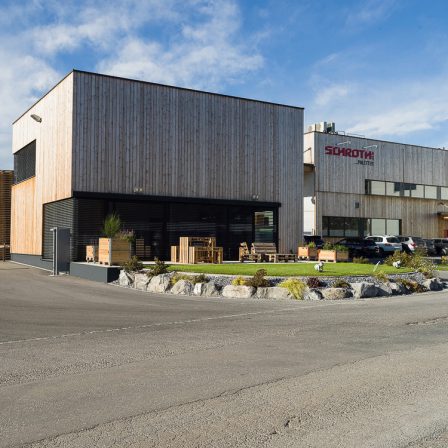

Schroth
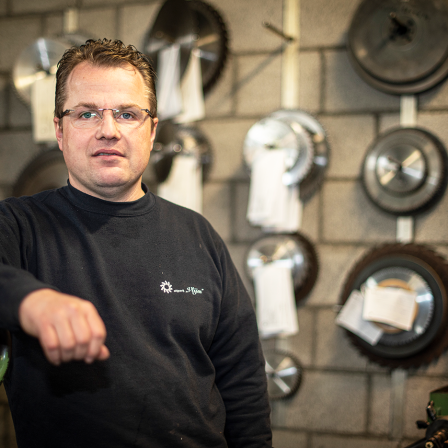
Slijperij Vlijm
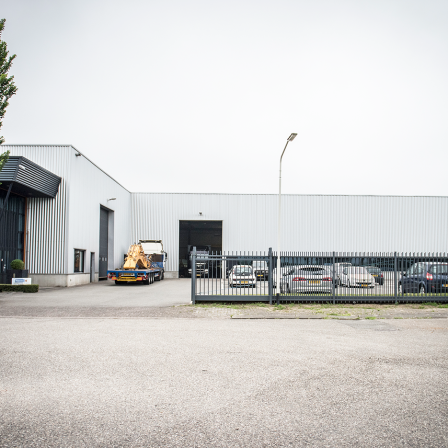

Timmermans Verspaningstechniek
Looking to understand and control air pollution in your workplace?