HF EtO luchtfiltratie
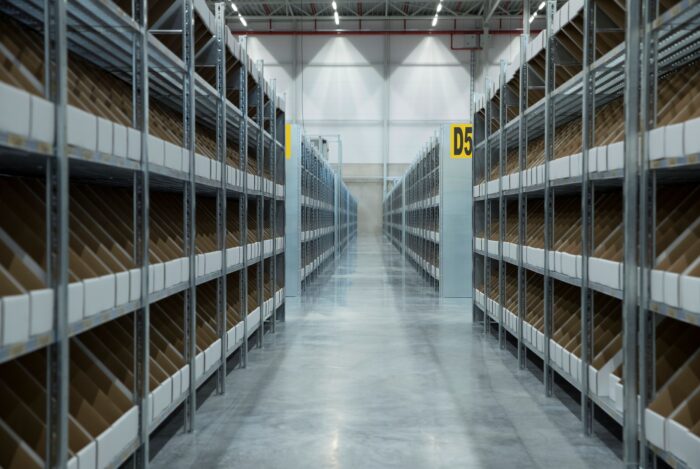
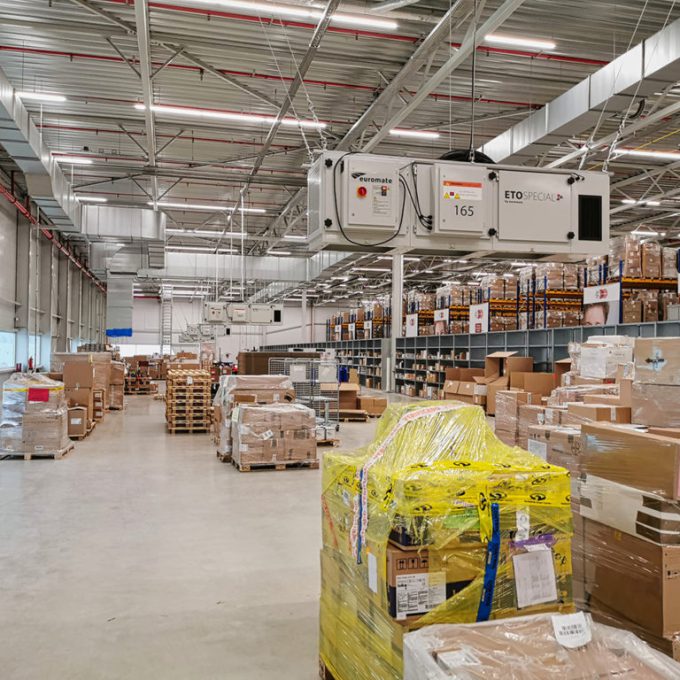
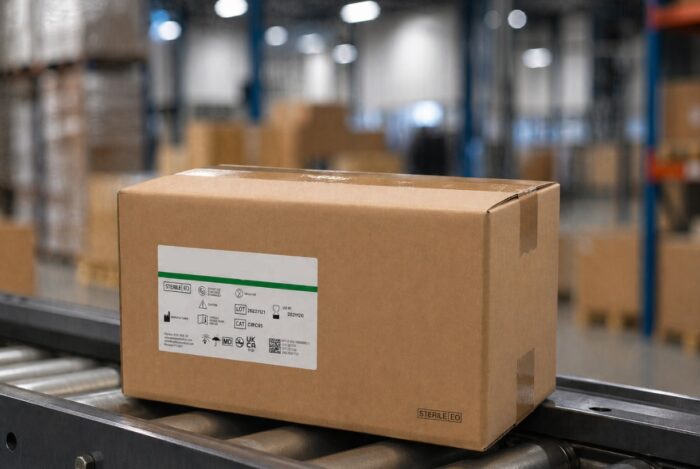
Ethyleenoxide (EtO) is een schadelijk gas dat veelvuldig gebruikt wordt voor het steriliseren van medische producten. Bij opslag kan het nog maandenlang vrijkomen uit de kartonnen verpakkingen en onder de plastic folie vandaan. Dit gebeurt geleidelijk en omdat het gas onzichtbaar is en een hoge geurdrempel heeft, kunnen de concentraties in warehouses aanzienlijk oplopen.
Juridisch kader
EtO is erkend als CMR-stof: Carcinogeen, Mutageen en Reprotoxisch. Vanwege de ernstige gezondheidseffecten bestaat er geen veilige ondergrens voor blootstelling. Werkgevers zijn verantwoordelijk voor een veilige werkomgeving en hebben een zorgplicht voor hun werknemers.
Ook onder de wettelijke grenswaarde (NL) van 0,46 parts per million (ppm) of 0,84 mg/m³ als tijdgewogen gemiddelde (TGG-8 uur) moet EtO actief geminimaliseerd worden conform het ALARA-principe (As Low As Reasonably Achievable). Zodra de gemeten blootstelling boven 10% van de wettelijke grenswaarde uitkomt, moet de werkgever actief maatregelen nemen om verdere reductie te realiseren.
Waarom luchtfiltratie belangrijk is
Ventilatie en filtratie zijn belangrijke methodes om EtO-niveaus in binnenruimtes te verlagen. Een goede toevoer van verse lucht helpt het ontstaan van lokale concentratiepieken (hotspots) te voorkomen. Het afvoeren van lucht naar buiten en recirculatie zijn echter gebonden aan strikte regelgeving, afhankelijk van de lokale wet- en milieueisen. Luchtfiltratie is een aantrekkelijk alternatief, vooral wanneer ventilatie alleen niet afdoende is. Bovendien is dit energetisch vrijwel neutraal, omdat er geen extra warmte– of koudelast ontstaat.
HF EtO
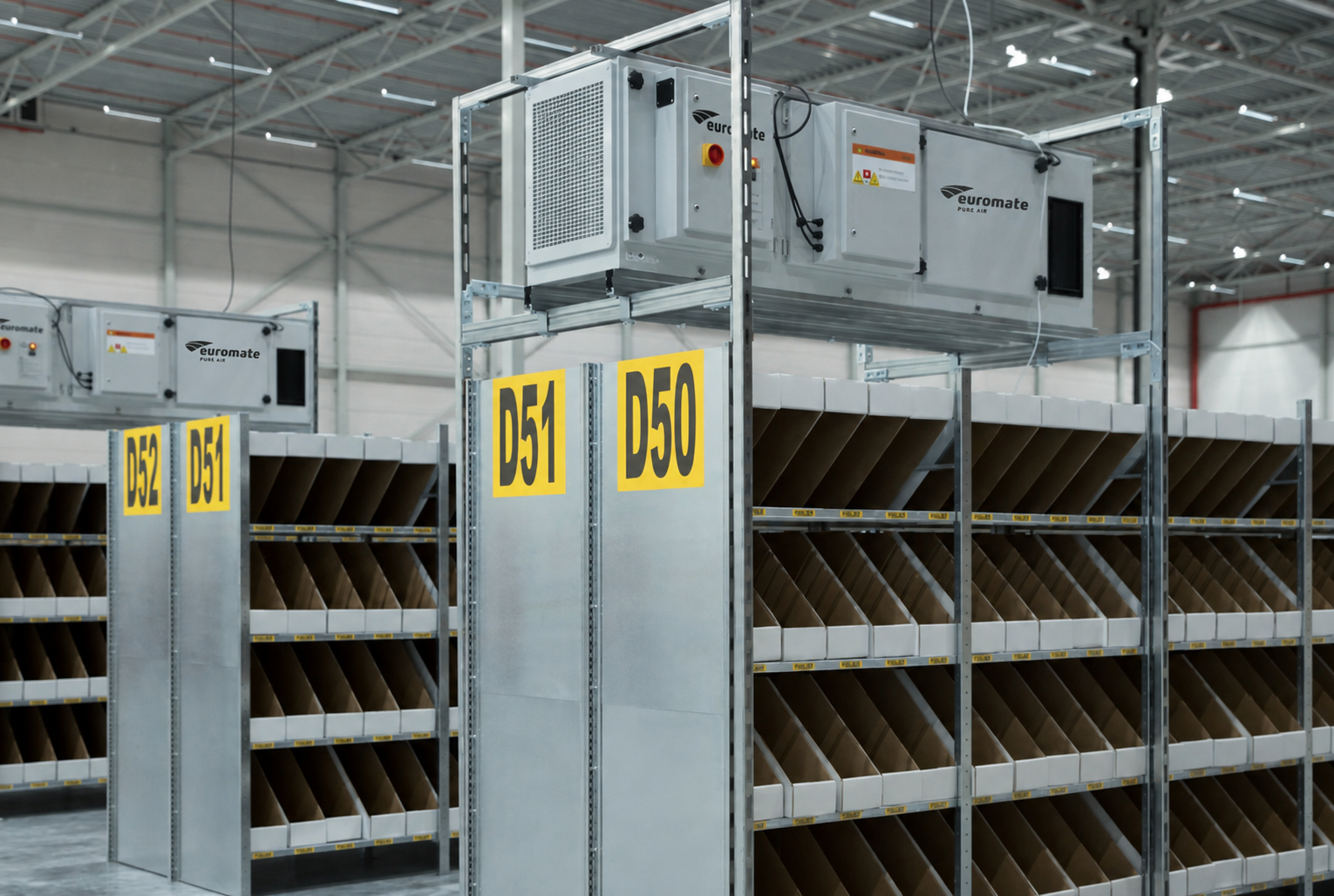
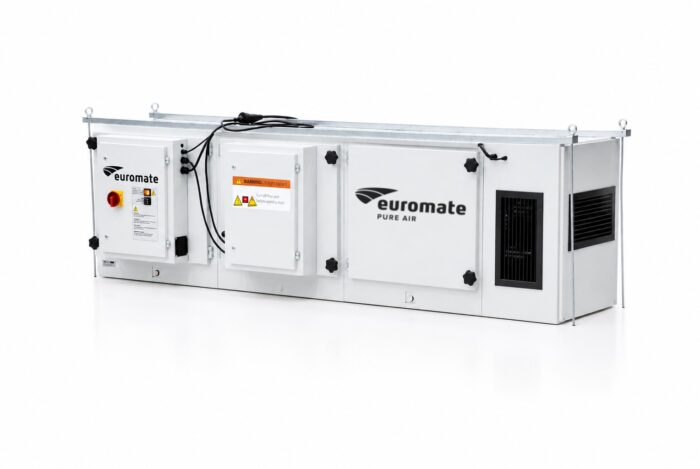
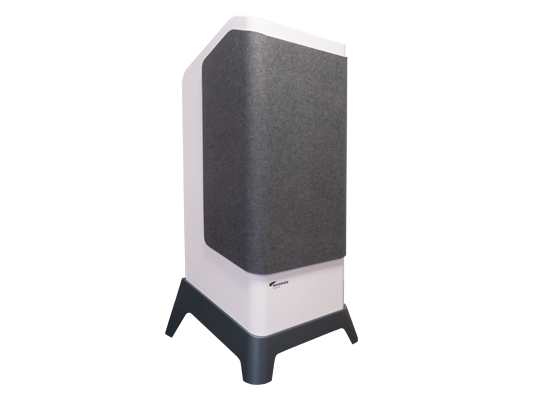
De HF EtO is een geavanceerde luchtreiniger, specifiek ontwikkeld voor het veilig verwijderen van ethyleenoxide (EtO, C₂H₄O) uit de binnenlucht in industriële, logistieke of medische omgevingen. Deze unit combineert meerdere filtratietechnieken in één krachtig en schaalbaar systeem en is ontworpen met het oog op veiligheid, effectiviteit en betrouwbaarheid en kan flexibel geplaatst worden op palletstellingen of hangend onder de dakconstructie.
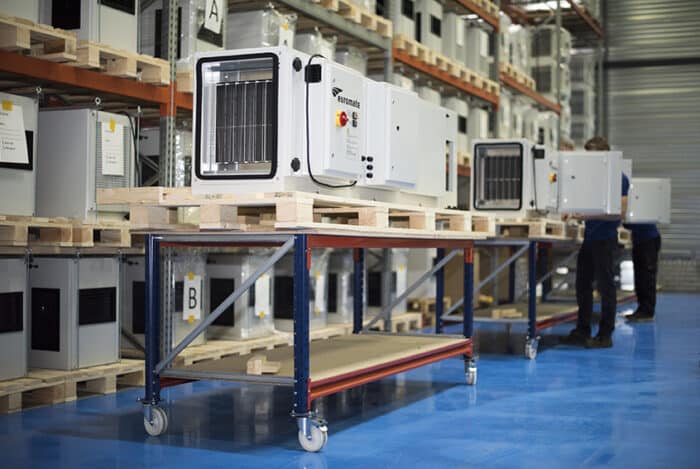
Meerdere fasen
Afhankelijk van de EtO-concentraties en uw luchtkwaliteitsdoelstellingen bieden we maatwerkoplossingen met verschillende debieten en filtratiesamenstellingen. De aangeboden oplossing wordt afgestemd op het gebruiksprofiel, budget en gewenste mate van reductie.
De eerste fase bevat een elektrostatische fijnstoffilter (ESP) die effectief zwevende deeltjes zoals stof, kartonvezels en rubberdeeltjes uit de lucht verwijdert. Dit beschermt de volgende filtratiestappen tegen vroegtijdige verzadiging en verhoogt de effectiviteit en levensduur van het systeem.
In de volgende fase(n) zijn verschillende mogelijkheden beschikbaar voor geavanceerde gasverwijdering. Wij maken hierbij gebruik van CKV3 en van Kinetic 425, een speciaal geselecteerd filtratiemedium dat geoptimaliseerd is voor EtO-adsorptie. De lucht wordt langs deze adsorptielagen geleid, waarbij ethyleenoxide actief en veilig wordt afgevangen.
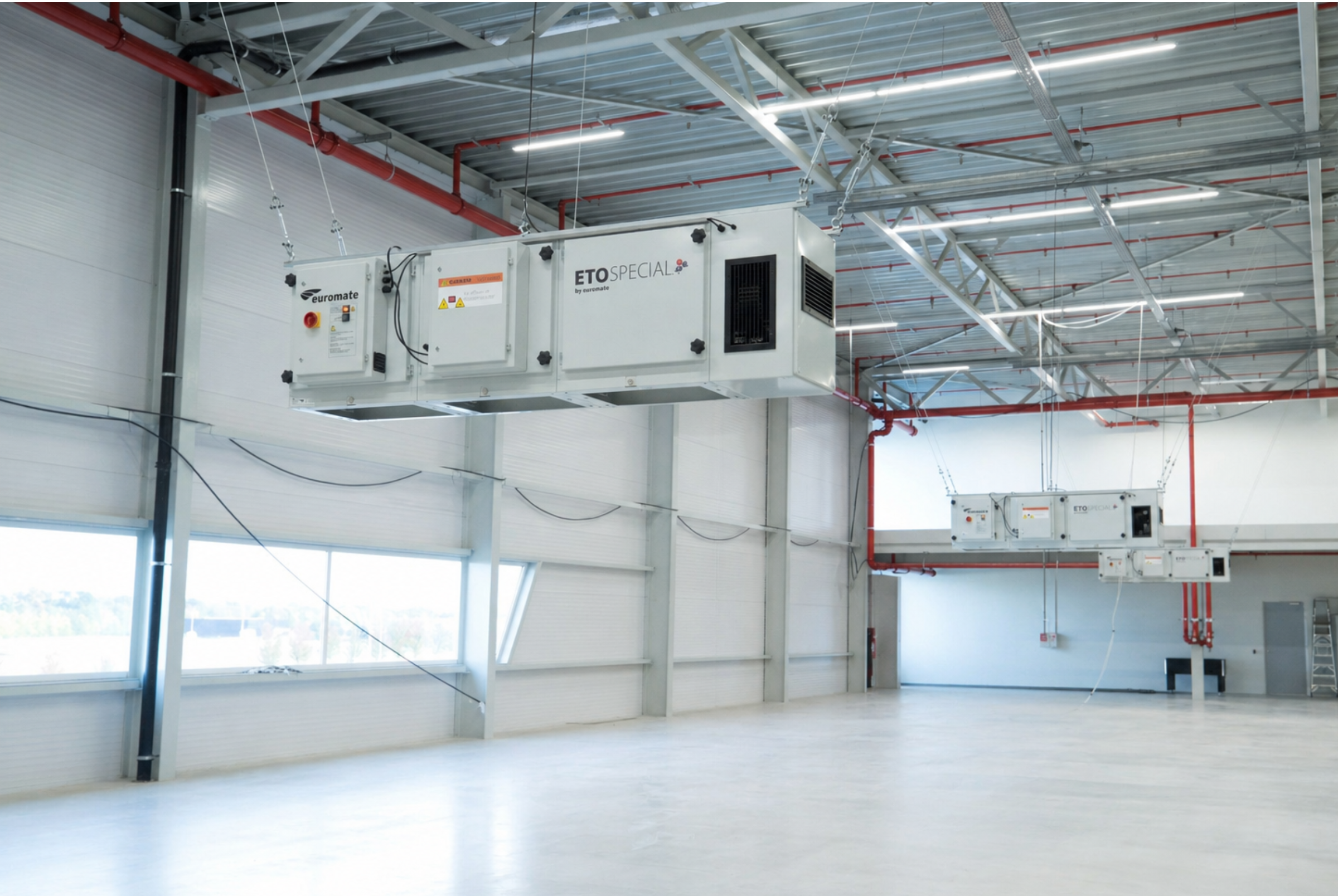
Hotspots voorkomen
De geïntegreerde ventilator van de HF EtO zuigt lucht aan vanaf de achterzijde van de unit en stuwt de gereinigde lucht via het uitblaaskanaal de ruimte in. Deze constructie is ontworpen om luchtcirculatie te bevorderen, dode hoeken te minimaliseren en hotspots te voorkomen.
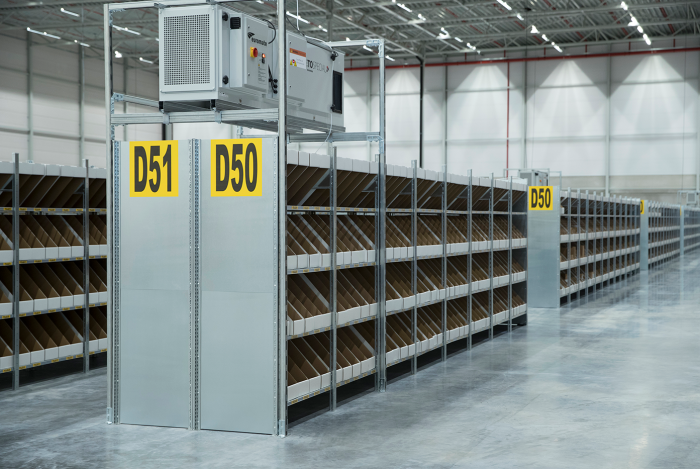
Energieneutraal systeem
De HF EtO werkt op basis van recirculatie: de bestaande lucht wordt gefilterd en opnieuw de ruimte ingebracht, zonder dat extra buitenlucht nodig is. Dit voorkomt warmte- en koudelasten en maakt het systeem vrijwel energieneutraal. Tevens wordt op deze manier geen EtO naar buiten gebracht, wat gebonden is aan strikte regelgeving.
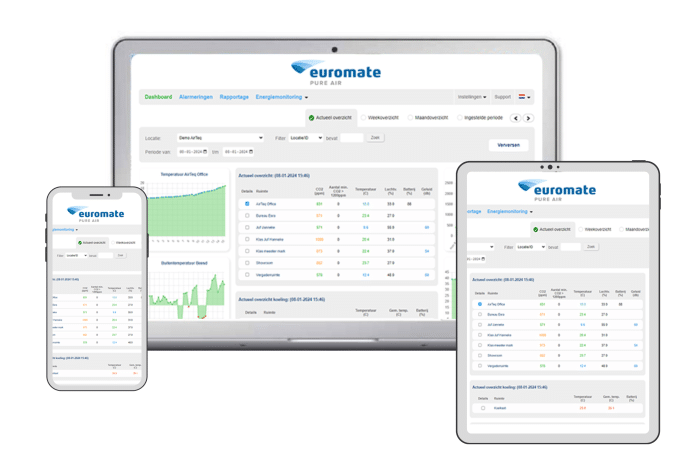
Inzicht
Betrouwbare meetdata vormen de basis voor een effectief mitigatieplan. Afhankelijk van de situatie bieden wij hiervoor, in samenwerking met gespecialiseerde onafhankelijke partners, onder andere spotmetingen en langetermijnmonitoring. Op basis van de meetdata worden risico’s inzichtelijk gemaakt, prioriteiten bepaald en maatregelen onderbouwd.
Voor een diepgaandere analyse is luchtbemonstering met laboratoriumanalyse mogelijk. Deze methode biedt zeer nauwkeurige resultaten en wordt vaak toegepast voor validatie of juridische onderbouwing. Zo beschikt u over betrouwbare data om blootstelling te minimaliseren en te voldoen aan de zorgplicht volgens het ALARA-principe.
Wat kunt u van de HF-EtO verwachten?
- Verwijdert ethyleenoxide op een bewezen effectieve manier
- Geavanceerde filtratiesystemen voor industriële toepassingen.
- Verbeterde luchtkwaliteit in logistieke hallen, bij sterilisatiebedrijven en productieomgevingen.
- Verlaging van gezondheidsrisico’s voor werknemers.
- Draagt bij aan naleving van veiligheids- en milieuregels.

Stappenplan voor een veilige werkomgeving
Geen enkele situatie is hetzelfde als het gaat om EtO, elke werkomgeving kent zijn eigen uitdagingen, risico’s en ambities. Daarom begeleiden we bedrijven in samenwerking met een netwerk van onafhankelijke experts stap voor stap naar een structureel veilige werkomgeving. Het traject is gericht op maatwerk en bestaat uit vier fasen.

Quick Scan
We starten met een verkennend bezoek om de situatie in kaart te brengen. Op basis van deze observatie identificeren we potentiële risicozones en bepalen we waar metingen het meest zinvol zijn.

Gedetailleerde metingen
In deze fase brengen worden de daadwerkelijke concentraties in beeld gebracht. De meetdata vormen de basis voor verdere analyse en geven inzicht in piekmomenten, verspreiding en trends over tijd.

RI&E-afwegingen en ambitiebepaling
De meetresultaten worden vertaald naar concrete doelstellingen. Samen bepalen we realistische reductiedoelen en prioriteiten, afgestemd op wettelijke normen en bedrijfsdoelstellingen.

Detailontwerp en implementatieplan
Op basis van de meetdata en doelstellingen ontwerpen we een maatwerkoplossing voor filtratie en monitoring. Daarnaast adviseren we over onderhoud, periodieke validatie en continue verbetering volgens het ALARA-principe.
Veelgestelde vragen over de HF EtO luchtreiniger
Ethyleenoxide (EtO) is een vluchtig gas dat veelvuldig wordt ingezet voor de sterilisatie van medische producten. Het is geclassificeerd als CMR-stof: kankerverwekkend, mutageen en reprotoxisch. Omdat er voor EtO geen veilige ondergrens bestaat, vormt elke blootstelling een gezondheidsrisico. Het gas is onzichtbaar en heeft een hoge geurdrempel, waardoor medewerkers het niet waarnemen, ook niet als concentraties al aanzienlijk zijn opgelopen. Bij de opslag van gesteriliseerde goederen kan EtO nog maandenlang vrijkomen uit kartonnen verpakkingen en onder plastic folie.
Werkgevers hebben een zorgplicht en zijn verplicht om EtO actief te minimaliseren conform het ALARA-principe (As Low As Reasonably Achievable). Het gaat daarbij niet alleen om het voldoen aan de wettelijke grenswaarde van 0,46 ppm, maar om het nemen van alle redelijkerwijs mogelijke maatregelen om blootstelling verder te verlagen. In de praktijk wordt hiervoor vaak een actiewaarde gehanteerd van 0,046 ppm (10% van de grenswaarde), afgeleid van de systematiek van NEN-EN 689.
De HF EtO combineert meerdere filtratietechnieken in één modulair systeem. In de eerste fase verwijdert een elektrostatische filter (ESP) zwevende deeltjes zoals fijnstof, kartonvezels en rubber. Dit beschermt de volgende filtratiestappen en verlengt de levensduur van het systeem. In de daaropvolgende fase(n) wordt EtO actief afgevangen via adsorptielagen met CKV3 en Kinetic 425, een speciaal filtratiemedium dat geoptimaliseerd is voor EtO–adsorptie. De geïntegreerde ventilator bevordert de luchtcirculatie en voorkomt dode hoeken en hotspots.
De HF EtO werkt op basis van recirculatie: bestaande lucht wordt gefilterd en opnieuw de ruimte ingebracht zonder dat extra buitenlucht nodig is. Dit voorkomt warmte- en koudelasten en maakt het systeem vrijwel energieneutraal. Een bijkomend voordeel is dat er geen EtO naar buiten wordt afgevoerd, wat belangrijk is gezien de strikte regelgeving rondom externe EtO-emissies.
Euromate begeleidt organisaties via een gestructureerd stappenplan. Dit begint met een quick scan, een verkennend bezoek om risicozones in kaart te brengen en te bepalen waar metingen het meest zinvol zijn. Vervolgens gaan we de ethyleenoxide meten, in samenwerking met onafhankelijke partners via spotmetingen of langetermijnmonitoring. De meetdata vormen de basis voor het bepalen van reductiedoelen en het ontwerp van een maatwerkoplossing.
De HF EtO is schaalbaar en modulair opgebouwd, waardoor het systeem altijd met de juiste capaciteit ingezet kan worden en mee kan groeien met uw bedrijfsactiviteiten. Het apparaat kan flexibel worden geplaatst op palletstellingen of hangend onder de dakconstructie, en is direct gebruiksklaar als Plug & Play oplossing zonder hak- of breekwerk. De filtratiesamenstelling wordt afgestemd op de gemeten EtO-concentraties, uw luchtkwaliteitsdoelstellingen, budget en gebruiksprofiel.
Wilt u meer weten over de HF EtO luchtreiniger?
In onze brochure leest u meer over de toepassingen en werking. Na het invullen van het formulier ontvangt u de gewenste documentatie binnen enkele minuten in uw mailbox.
Bekijk al onze luchtkwaliteitsoplossingen
DFI-serie industriële luchtreinigers
- Zorgt voor een (fijn)stofreductie tot wel 90%
- Maatwerkoplossing op basis van de stofconcentratie
- Geschikt voor warehouses, werkplaatsen en industriële hallen
HF-serie industriële luchtreinigers
- Filtert tot wel 90% van de vervuiling
- Geschikt voor industriële omgevingen
- Maatwerkoplossing voor verschillende vervuilingsbronnen
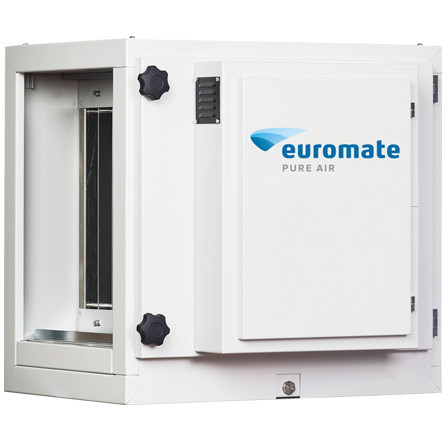
SF-serie Keukenfiltratie
- Filtert ruim 90% vet- en roetdeeltjes uit de lucht
- Zorgt voor minder risico op brandgevaar
- Totaaloplossing voor elk keukenluchtprobleem
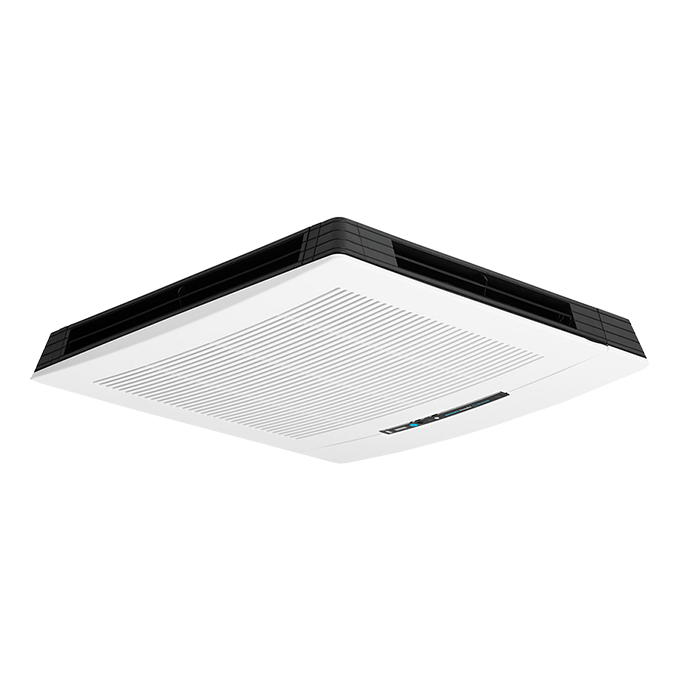
VisionAir Blue Line
- Breed inzetbaar dankzij unieke filtercombinaties
- SGS getest en gecertificeerd
- Heeft een positief effect op productiviteit en ziekteverzuim
HF ETO luchtfiltratie
- Verwijdert ethyleenoxide op een bewezen effectieve manier
- Draagt bij aan een gezonde en veilige werkomgeving
- Speciaal ontwikkeld voor logistieke hallen en warehouses
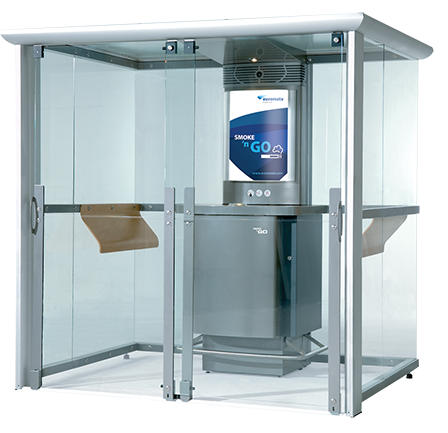
Smoke 'n Go-serie
- Laat geen sporen van tabaksrook en onaangename geuren achter
- Vijfstaps-filtratiesysteem met HEPA- of elektrostatische filter
- Voor elke omgeving een passende uitvoering
Pure Air Shield 3300
- Verwijdert fijnstof, virussen en bacteriën
- Geschikt voor grote ruimtes (vanaf 200m2)
- SGS gecertificeerd en daarmee bewezen effectief
Easy Insight meettrajecten: Meetsensoren
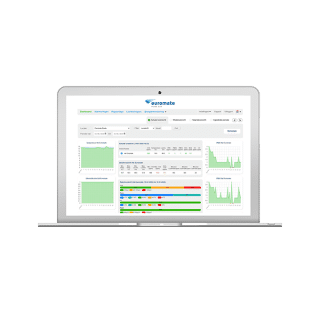
- Meet PM 10, PM 2,5, PM 1, temperatuur en luchtvochtigheid
- Altijd realtime inzicht in uw luchtkwaliteit
- Periodieke rapportages en alerts beschikbaar
Wilt u weten of EtO-filtratie de juiste oplossing is voor uw organisatie?